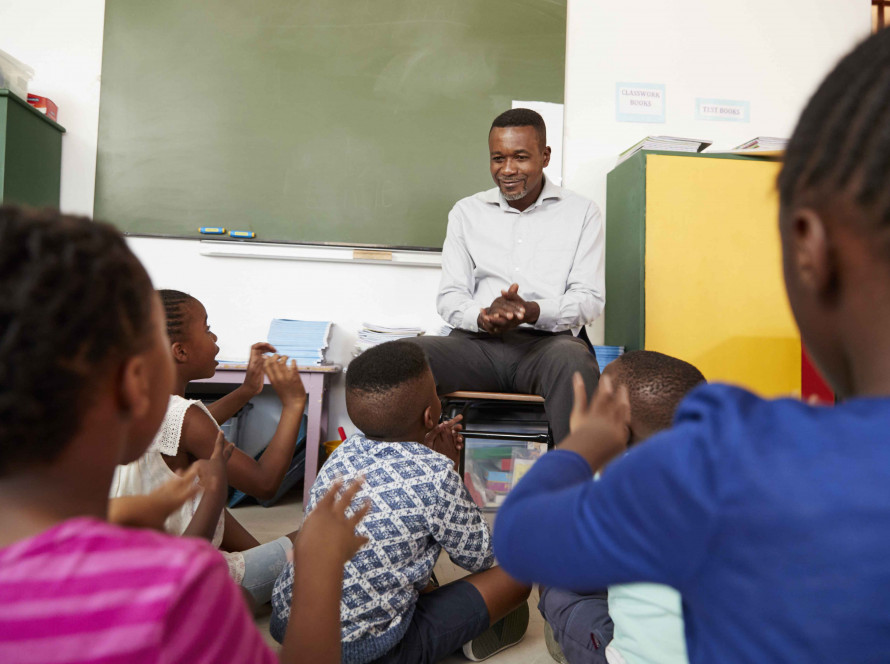



Imagine being ten years old and looking at a page of words that don’t make sense. Imagine the frustration, the confusion, the feeling of being left behind. For 1 in 3 children in low-income countries, this isn’t just a difficult moment—it’s their reality. Without basic literacy, their futures are shaped by barriers rather than opportunities. Education is supposed to be a path to a better life, but for millions, that path is blocked before it even begins.
The Literacy Crisis: More Than Just Words
Reading is more than a skill—it’s a gateway to everything else. Without it, children struggle to learn, to engage, and to build a future where they can thrive. The World Bank reports that 70% of children in low-income countries are unable to read and understand a simple story by age 10. This means an entire generation risks growing up without the ability to fully participate in society, limiting their potential before they even have a chance to dream.
Education as the Key to Change
The good news? This is a problem we can solve. Research shows that access to quality teachers, books, and learning resources significantly improves literacy rates. When children are given the tools to read, they unlock a future where they can break free from poverty, support their families, and contribute to their communities. Every classroom built, every book provided, and every teacher trained is a step toward a world where no child is denied the power of words.
How You Can Help Turn the Page
Change starts with simple actions. Supporting organizations that provide books, funding literacy programs, or even volunteering time to read with children can make a tangible difference. Investing in education isn’t just about teaching kids to read—it’s about giving them the confidence and ability to build their own futures.
We believe in a world where every child gets the chance to read, to learn, and to succeed. One classroom at a time, we can make that a reality. What are your ideas for making literacy accessible for all?